
Traveling with Amtrak offers a pretty unique experience in the U.S., especially for folks who want to skip airport lines and highway traffic. If you’re dealing with mobility issues, train travel can sometimes feel stressful, but Amtrak is designed to make things easier for everyone onboard. Here’s a rundown on what’s helpful to know before you book, what to expect during your trip, and a bunch of practical tips that can make your ride as smooth as possible.
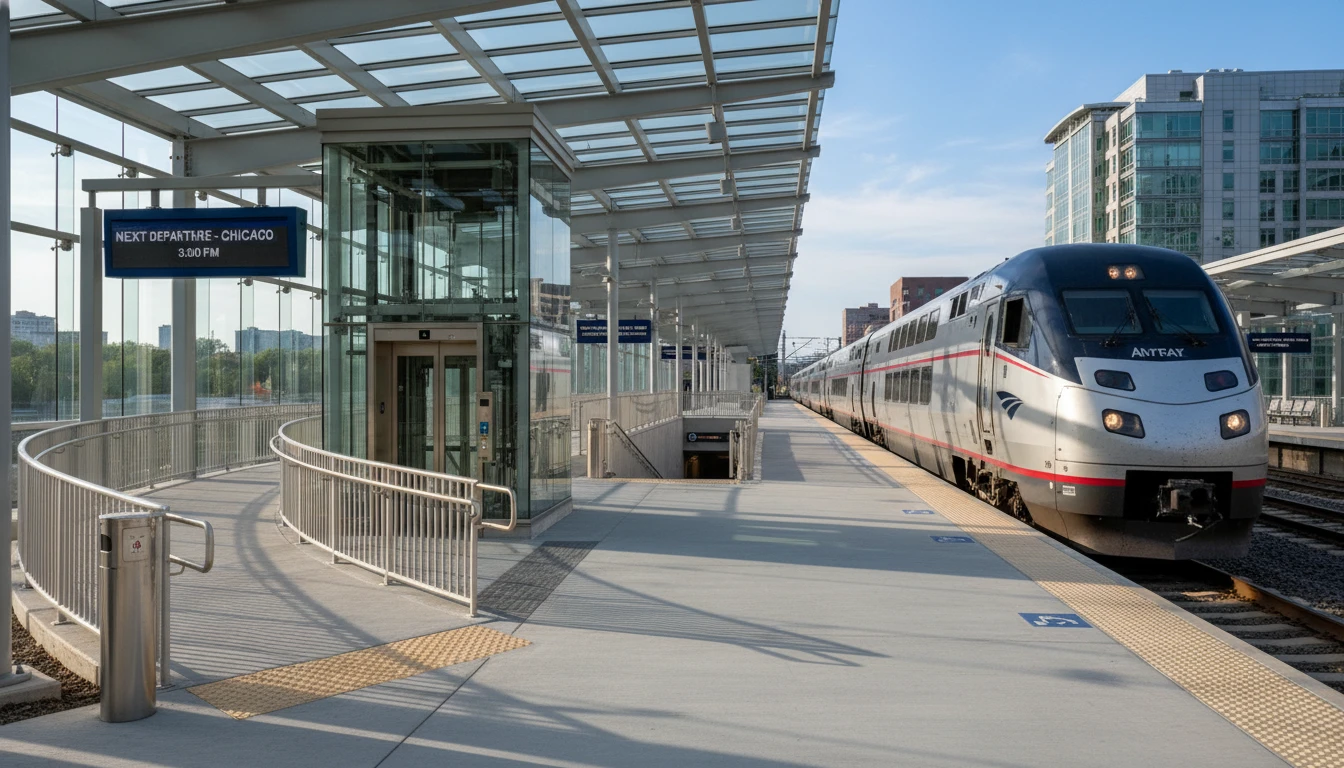
Why Amtrak Can Work Well for Travelers with Mobility Issues
Using Amtrak as a travel option is pretty handy if you’re looking for accessible transportation across the country. Amtrak trains stop at over 500 destinations, so you can head to city centers, tourist stops, and even smaller communities that may be tricky to get to by plane or bus. The point-to-point nature of train travel, without layovers in crowded airports, can be a huge perk if you want a less hectic ride.
The passenger boarding process is generally more relaxed than flying. There’s no security theater, no tight connections, and usually a bit more time to board. Amtrak’s trains have various accessible accommodations already built in, from wheelchair seating to accessible bathrooms, so those who use mobility devices have more options than you might expect. Their staff are trained to assist with boarding and getting off, helping with luggage, and generally looking out for riders who could use some extra support.
Getting Ready: How to Prepare for Your Amtrak Trip
I always recommend planning ahead when accessibility is a concern. While Amtrak’s accessibility services work well most of the time, you’ll want to set yourself up for a stress-free experience. Here’s how I usually prep:
- Check Station Accessibility: Some stations are more modern than others. Use Amtrak’s Station Directory to confirm that your departure and arrival stations have accessible restrooms, parking, and platforms.
- Reserve Accessible Space Early: Wheelchair spaces and accessible rooms book up fast, especially on popular long-haul routes. Secure your ticket and accommodations as early as possible online or by phone.
- Contact Amtrak’s Accessibility Desk: It’s worth calling Amtrak’s Access Support at 1-800-USA-RAIL to flag any needs in advance, request assistance, or ask questions about what to expect at your station.
- Plan Connections Carefully: If you need to transfer from one train to another, make sure the layover gives you plenty of time to change platforms or board again. I recommend staying one night over in order to make connections. Amtrak staff can help, and things are much smoother without a time crunch.
Meal and snack plans are also something to check into beforehand. If you require special food or can’t easily get to the dining car, Amtrak recommends notifying their staff in advance. They are generally happy to help with meal delivery, and it’s one less thing to stress about when you’re on the move. Additionally, if there are stretches between stops, having some snacks and water on hand is a practical idea for your comfort.
Onboard Accessibility Features: What You’ll Find on Amtrak
Traveling with a mobility device or requiring special seating? Amtrak has several ways to help, and knowing what’s aboard can ease any nerves before you get moving. So, here’s what you’ll actually find on most Amtrak trains:
- Wheelchair Spaces: Nearly all trains and most cars have designated spaces for wheelchairs and mobility scooters. These are usually on the main level in coach or business class for easy access to restrooms and exits.
- Accessible Restrooms: Larger restrooms on the main passenger level allow wheelchair entry, with grab bars and enough room for a caregiver if needed.
- Boarding Ramps and Lifts: Most major stations offer portable ramps or mechanical lifts. The crew operates these, helping you safely board and get off regardless of platform height.
- Roomette and Bedroom Accessibility: Long distance trains have sleeping cars with “Accessible Bedrooms” on the lower level, which means more space for wheelchairs, private restrooms, and step free entry from the platform.
- Assistance with Luggage: Though baggage regulations apply, train staff will lend a hand loading and unloading your checked or carryon items, which is a big help if you’re using a mobility aid.
Some older routes or less used stations might have limited features, so double-check if you have specific needs. The Amtrak website has route-specific details worth checking out before booking.
There’s also a variety of seating arrangements and access features depending on the type of train and your specific journey. For example, regional trains in the Northeast may differ from long distance routes like the California Zephyr or the Southwest Chief. No matter what, reaching out to train staff as soon as you board ensures they know you’re there and lets them point out the exact amenities available to you on that car.
Ticket Booking and Discounts for Passengers with Disabilities
Finding the best way to book your ticket and take advantage of discounts is pretty straightforward with Amtrak. Here’s my game plan:
- Accessible Fares: Passengers with disabilities often qualify for a 10% discount on the base fare. If you have a companion, they might also get a discount if traveling as your Personal Care Attendant. Proof of disability isn’t always needed for booking, but you may be asked for it when you board.
- Traveling Coach: If you have mobility issues and are traveling on a double-decker Amtrak Superliner train (such as the California Zephyr, Coast Starlight, Empire Builder, or Southwest Chief), the lower level is usually the better choice. Benefits of the lower level include:
- No stairs required to reach your seat after boarding.
- Easier access to restrooms.
- Less walking and less foot traffic.
- Smoother ride with less side-to-side sway.
- Accessible seating areas are located on the lower level.
- Booking Online or by Phone: When reserving wheelchair space, an accessible roomette, or if you have detailed questions, booking by phone is generally smoother. Amtrak’s site also lets you filter for accessible seating directly during the booking process.
You can check discount policy details and requirements on Amtrak’s Accessible Travel Services page. Remember to have any relevant documentation ready if needed, such as a doctor’s note or transit disability card. Amtrak also sometimes runs promotions or special deals, so take a look at their website or talk to an agent to snag any additional savings.
Tips for a Better Experience with Mobility Issues
Here are some things I’ve learned from experience and from other regular Amtrak travelers:
- Arrive Early: Giving yourself a little extra time can be a real stress-saver. Arriving at least 45 minutes before departure helps you get ahead of the crowd, access mobility assistance, and double-check arrangements with staff.
- Mark Your Luggage: Use bright or tactile tags if you use a mobility device, so you can quickly identify your things or get help from staff with ease.
- Portable Chargers: If you use an electric device, make sure your battery is charged and bring your power cords or spare batteries. Outlets are available onboard, but having backup options is always smart.
- Stay in Touch with the Crew: Don’t hesitate to let conductors or attendants know what you need. They’re used to helping and would rather know up front than have to scramble mid ride.
- Pack a Small Bag with Essentials: Access to your checked luggage is only at stops, so have meds, snacks, chargers, and personal care items with you in your seat or accessible bedroom.
- Ask About Seating Flexibility: If your needs change along the way, or if you find your assigned spot isn’t ideal, train staff often can help you switch seats or direct you to a better area if space is available. Communication is key.
Having a travel buddy or family member with you can make the experience more relaxed, particularly if you’re trying Amtrak for the first time. However, solo travelers shouldn’t worry—crew and fellow passengers are usually friendly and helpful, especially on long trips where everyone’s sharing the ride.
Potential Challenges: Things to Know Upfront
Even with loads of preparation, things can come up. Here’s what I’ve encountered and what others have shared:
- Older Stations: Not every Amtrak station is newly renovated. Some places may have stairs to platforms or restrooms that are a bit small. If the station isn’t accessible, Amtrak can help arrange alternate boarding, but letting them know early is really important.
- Changes in Equipment: Sometimes trains arrive with slightly different setups, either due to service changes or emergencies. If you have a reservation for an accessible space, confirm again a day or two ahead so the crew is aware.
- Delays: Trains aren’t always spot on time, so pack extra supplies and have arrangements in place if you’ll be waiting longer than expected, especially in stations with limited seating or services.
- Overnight Routes: On longer routes, accessible sleeping accommodations can be limited, and showers on trains aren’t always fully accessible. Ask ahead about what each train offers and whether specific help is available.
- Limited Wi-Fi: Some routes provide free WiFi, but it can be spotty or unavailable, particularly in remote areas. If internet access is crucial for communication or health needs, bring a mobile hotspot or download what you need in advance.
For up-to-date info on specific routes, Amtrak’s online resources and by-phone agents can provide advice for your trip.
Spotlight: How Amtrak Supports Different Mobility Devices
Many people ask whether Amtrak can handle all mobility aids, like wheelchairs, scooters, walkers, or crutches. Here’s what I’ve found:
- Wheelchairs and Scooters: There are max width/length requirements (generally 30” x 48” for onboard spaces) and an 800-pound combined weight limit for lifts. You’ll want to measure before booking if your device is larger or heavier than average.
- Walkers and Canes: Storage space is available beside your seat or in the luggage rack, so bringing lighter mobility aids is generally not a problem.
- Portable Oxygen: Passengers needing portable oxygen concentrators can use them onboard. Flag your device at booking and check their policies for battery and safety info.
- Service Animals and Assistance: For those traveling with service animals or requiring extra equipment (like transfer boards or extra supports), Amtrak has policies in place to help smooth the way. Always check requirements ahead of time and let the agent know when you book.
If you run into a niche need, like traveling with a service animal or using specialty mobility equipment, Amtrak accessibility staff will walk you through each requirement on your route. It’s always best to confirm by phone, as rules might vary by region or circumstance.
Frequently Asked Questions About Amtrak and Mobility Issues
What if I need assistance getting on or off the train?
Amtrak staff can provide boarding and deboarding support via the Red Cap services. Just let them know when you book your ticket or check in at the station. They can also help with luggage.
Can I bring my power wheelchair or scooter?
Yes, most can fit onboard. Check the size and weight limits on the Amtrak Accessibility page if you have a particularly large device.
Are companion animals or service dogs allowed?
Service animals are always allowed in all areas of the train, including sleeping accommodations. Amtrak also allows small pets for most routes, but service animals have different policies. Review them during booking.
What happens if there’s an emergency on board?
Train staff are trained for emergencies and have procedures to safely evacuate and assist all passengers with disabilities. If you need extra help in an emergency, tell the crew at boarding so they have you on their list for priority assistance.
Final Thoughts on Taking Amtrak with Mobility Issues
Traveling by train isn’t just about getting from A to B; it can make the trip feel like a big part of your adventure. Amtrak’s services for passengers with mobility issues are worth a look if you want to avoid the headaches of air travel or the limits of driving yourself. With a little planning, patience, and communication, your next ride can be a lot more comfortable and accessible. Safe travels wherever the tracks take you!